
Cozy Cap: Heavy Hat - Lighter Mind
Context
This was our semester-long project for INST 406 at the University of Maryland - College Park. We went through the entire lifecycle of product design and focused on communicating our design.
Role
Information Design Student
Timeline
Feb. 2026 - May. 2026
Tools
Sketching
Canva
ChatGPT Image 2.0 (for card photo)
TLDR
A wearable comfort product for people experiencing anxiety, sensory sensitivity, or everyday stress.
Designed to feel grounding, not clinical.
01 Sensory Design
We began by asking: "What does comfort actually feel like?" Every feature had to earn its place by doing emotional work without asking anything back from the user.
As ideas kept being added like: scents, sensors, and tech, we decided to make a deliberate cut. Less gadget, more grounding. The product got stronger every time we removed something.
03 Story and Pitch
A good product still needs a good story. We worked with our narrative starting from messy drafts to a live expo pitch that made people say: "I'd actually wear that."
PROBLEM
Anxiety tools exist. Wearable ones that don't feel weird don't.
For many students, anxiety shows up quietly: withdrawn, disengaged, falling behind. Most grounding tools are either clinical or digital, and neither fits naturally into everyday life without drawing attention.


RESEARCH
Understanding grounding spaces
We looked at how people ground themselves daily and what wearable products already exist in this space. Our research combined desk research on competitors, informal feedback from classmates during critiques, and a few conversations with friends.
Desk Research
Free the Sheep

A weighted anxiety-relieving clothing brand. Their Eden Hoodie uses evenly distributed weight and sensory-friendly lining to reduce anxiety through deep pressure touch therapy.
Pros
Fashionable, sensory-friendly materials, proven deep-pressure concept.
Cons
Premium price point, designed as loungewear, not practical for public daily use like school or work.
CalmiGo
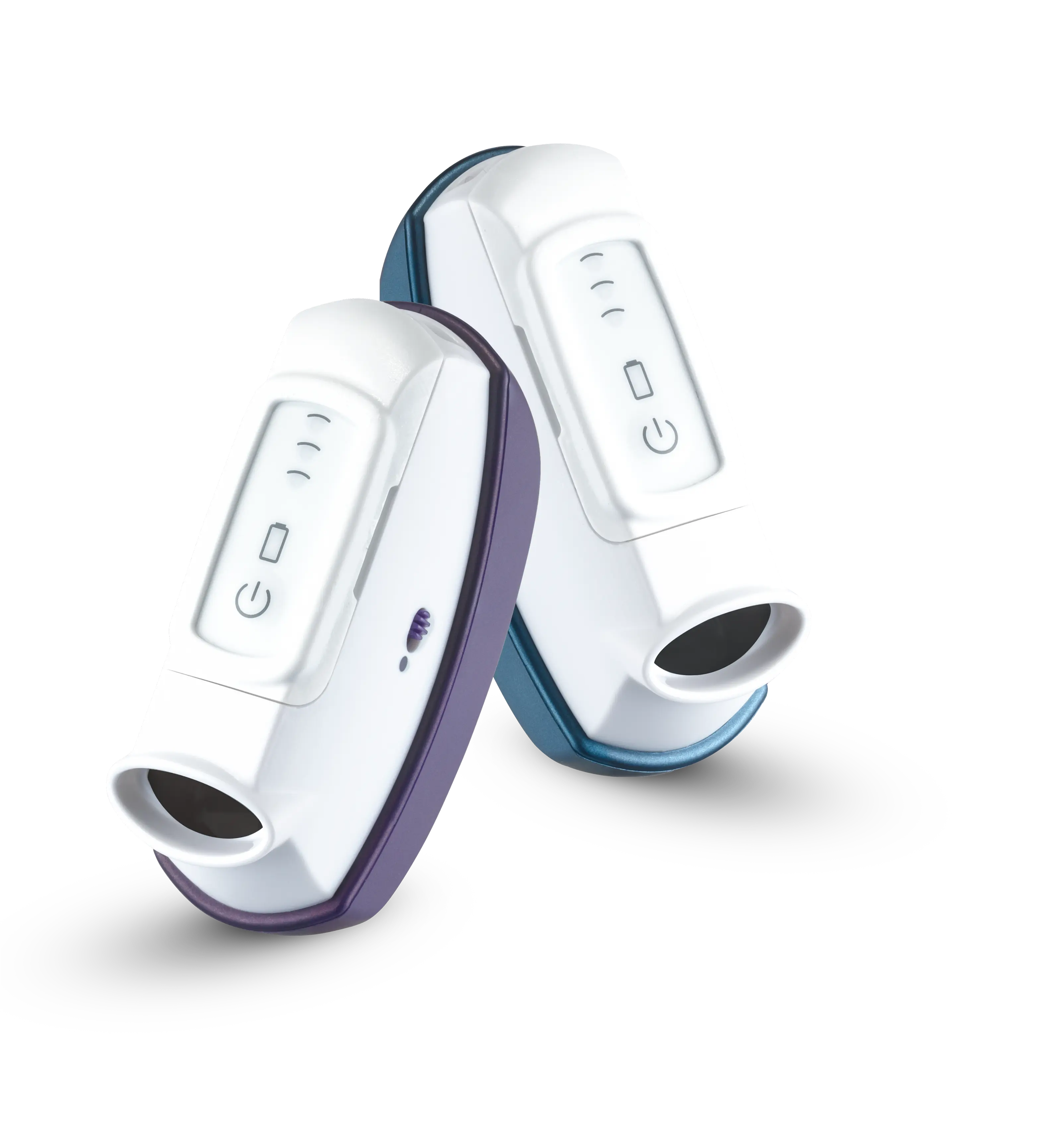
A handheld device that grounds users by activating four senses at once: light, scent, vibration, and touch. Product activate the parasympathetic nervous system.
Pros
Clinically backed, portable, drug-free
Cons
Visibly clinical in public, steep price point, requires active use, and stigmatizing to pull out in a classroom or social setting.
Weighted Blankets (General)
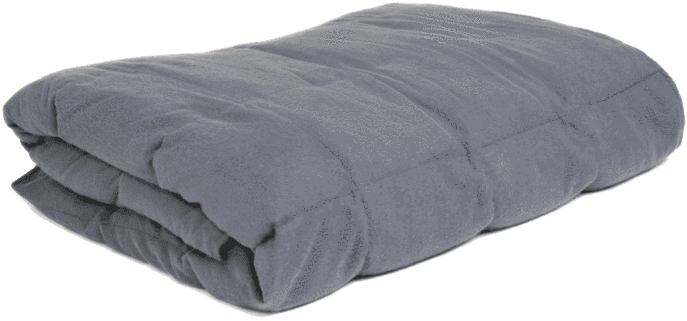
The most recognized grounding tool, but entirely stuck to stay at home. No portability, no self-expression, no public use.
Pros
Heavy weight feels like a hug
Keeps the user warm
Cons
Not wearable
Not discreet
Little fashion identity
Critique session
User Feedback
Informal critiques from classmates and early conversations with friends surfaced two consistent themes:
"I want something that helps but doesn't make me look like I need help."
"I'd wear it if it just looked like a normal hat."
Findings
Discretion matters more than features
Fashion and self-expression are non-negotiable for daily wear
Anything that feels "medical" creates stigma, especially in school settings
IDEATION & SOLUTION
Finding what comfort actually means
Early brainstorming went broad: scents, sensors, embedded tech. We stress-tested every idea against one question: does this ask too much of the user? Anything that added cognitive load got cut.


What remained centered on passive sensory comfort, things that work just by wearing the hat. Customization became our strongest selling point when it came to the ears of the hat.
ITERATION 1
From concept to something you could actually hold
Each round of feedback: from class critiques and real testers, pushed us to simplify. We stripped back the tech, refined the materials, and locked in the feature set that made the most sense together.
Features and Why we it's there
Animal Ear customization
Weighted long arms
Calming Audio
Identity focused, broader variety
Passive pressure, feels like a hug
Optional grounding music on cue


ITERATION 2
From something you can hold to something people actually want
Our second iteration consists of developing a working prototype for people to try. We later had the Cozy Cap tested during a live simulation of a real market.
Newly Added Features and Why
Tactile Grounding Elements
Satin Lining
Discreet, small moment of relief
Inclusive for different hair types


OUTCOME
People were disappointed because the Cozy Cap doesn't actually exist yet
At our final class simulated real market expo, we pitched Cozy Cap live to classmates with real customer personas. The reaction was immediate and positive.
"If only this was a real product, I would've loved to wear this daily"
— Expo participant
The product landed not just as a design object but as a fully communicated idea, one we could explain, defend, and sell under pressure.
REFLECTION
My Takeaways and Future
Designing Cozy Cap taught me that simplicity is a decision, not a default. Removing features deliberately made the product stronger. I also grew in how I communicate design. From messy first drafts to a live expo pitch, I learned that the story around a product is as important as the product itself.
What I'd explore next: deeper user testing around sensory materials, and a stronger visual identity to match the warmth of what we built.